Nor'easters, ice dams, hurricanes — we make sure your policy covers what CT actually throws at it.
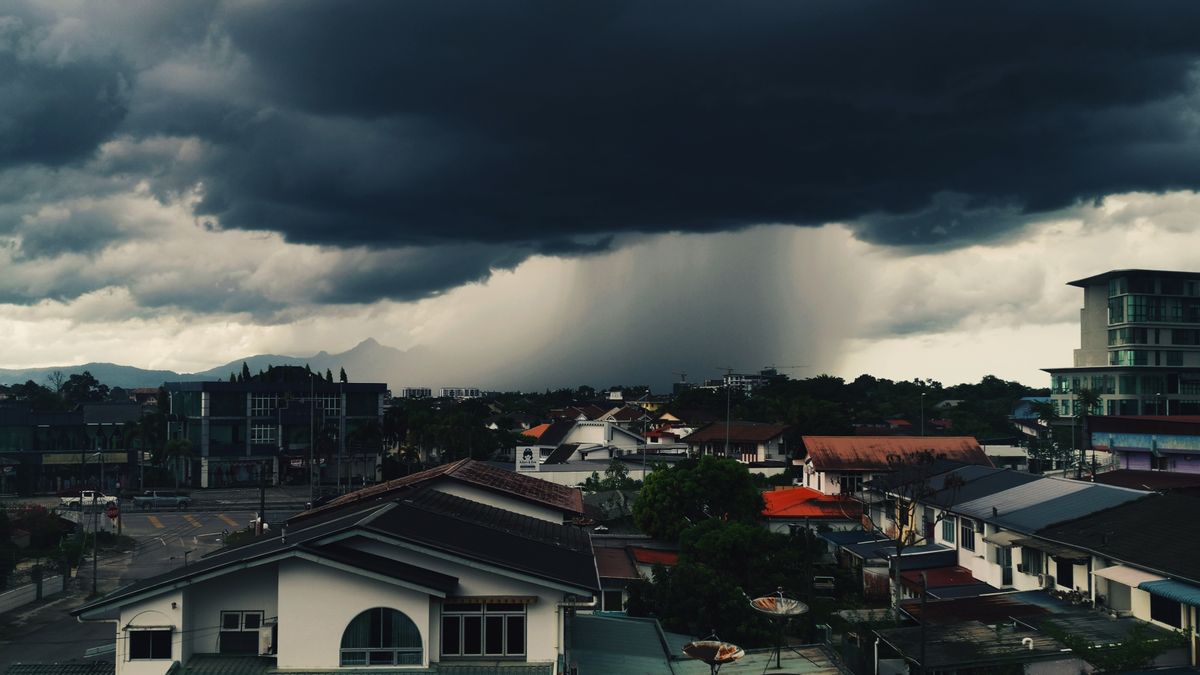
Most homeowners assume their policy "covers storms." Broadly true — and dangerously vague. The details are what people discover only after something happens. Here's the plain-English version:
Houses and the life inside them.
Your unit, improvements, and liability.
Belongings and liability, usually surprisingly affordable.
Rental properties and the risks that come with tenants.
Separate policies for coastal and low-lying exposures.
Extra liability above your home and auto limits.
Twenty minutes with your declarations page:
Want a second set of eyes? We'll walk through your policy line by line — free.
Review My PolicyInsuring your home and auto together is often the biggest discount available. We check bundling across every carrier we quote — not just one.
No. Standard homeowners policies exclude rising water — storm surge, overflowing rivers, flash flooding. Flood insurance is a separate policy. If you're near the coast or in a low-lying area, it's worth a serious conversation.
Many Connecticut policies carry a separate deductible for named storms, often 1–5% of your home's insured value instead of a flat amount. On a $400,000 home, a 2% deductible means $8,000 out of pocket before coverage starts.
Most policies cover the interior water damage from ice dams, though roof coverage can be limited and insurers expect reasonable maintenance. Frozen and burst pipes are generally covered if the home was heated.
Your landlord's policy covers the building, not your belongings — or your liability if something you do damages the unit. Renters insurance is usually very affordable and covers both.
A free policy review now beats a painful lesson later.